
The Most Iconic Creative Advertising Campaigns of All Time and What They Taught Us
Creative Advertising Campaigns That Changed How Brands Connect
Looking for creative advertising campaigns worth studying? Start with Apple’s “1984” for bold storytelling, Nike’s “Just Do It” for a lasting brand message, and Dove’s “Real Beauty” for a campaign built around a cultural insight. More recent work, such as “Vaseline Verified,” shows how brands can turn audience ideas into useful content.
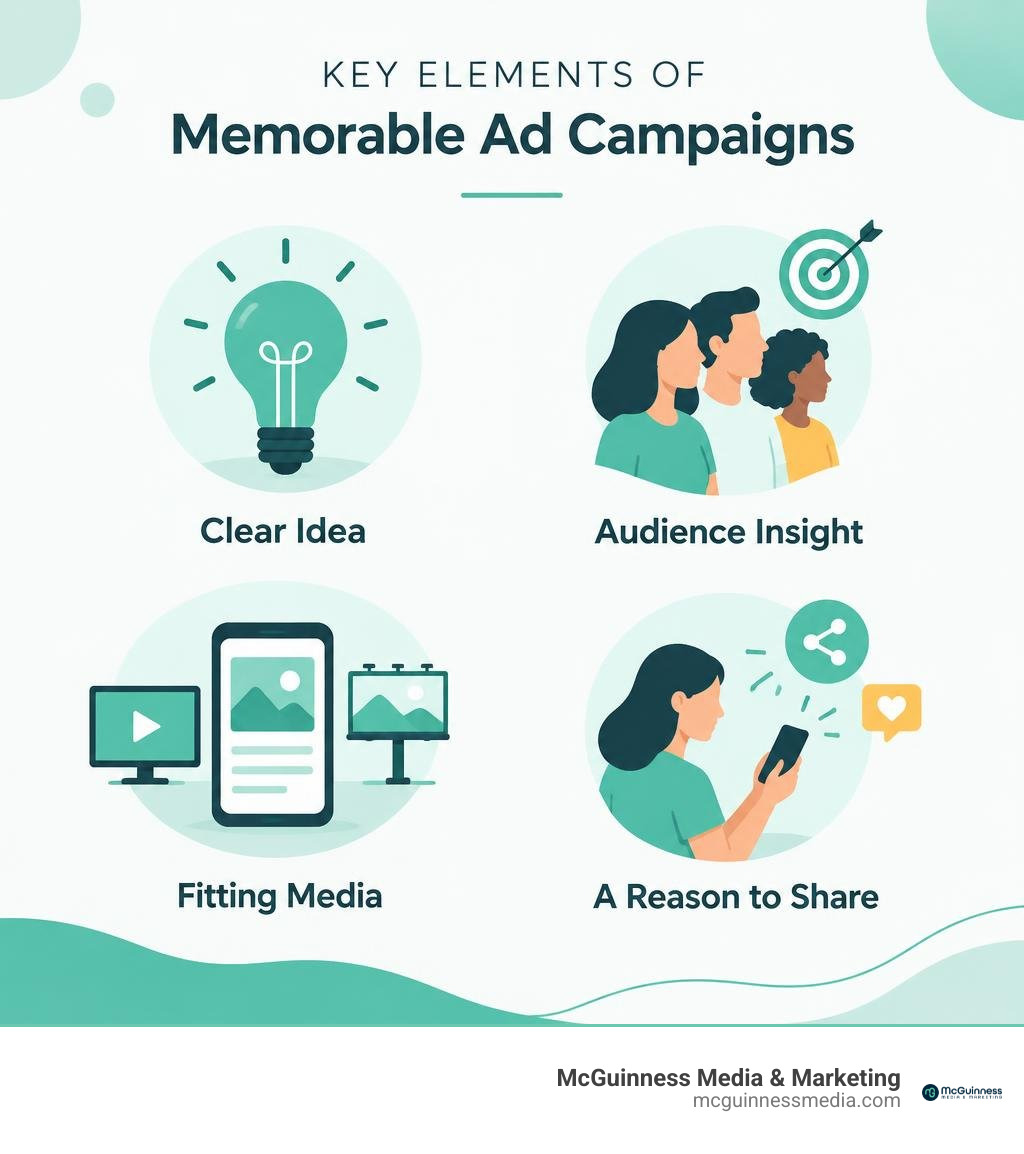
The lesson is not to copy the ads. Look for the clear idea, the right way to reach people, and the reason someone would care enough to remember or share the campaign. The examples ahead show how those choices can help a brand stand out, whether its budget is large or small.
I’m Megan McGuinness, owner and chief marketing officer of McGuinness Media & Marketing. For more than 20 years, I’ve developed marketing strategies for regional, national, and global brands, bringing the same focus on audience, message, and media to creative advertising campaigns.
Simple creative advertising campaigns glossary:
Hall of Fame: Timeless Ads That Reshaped Global Culture
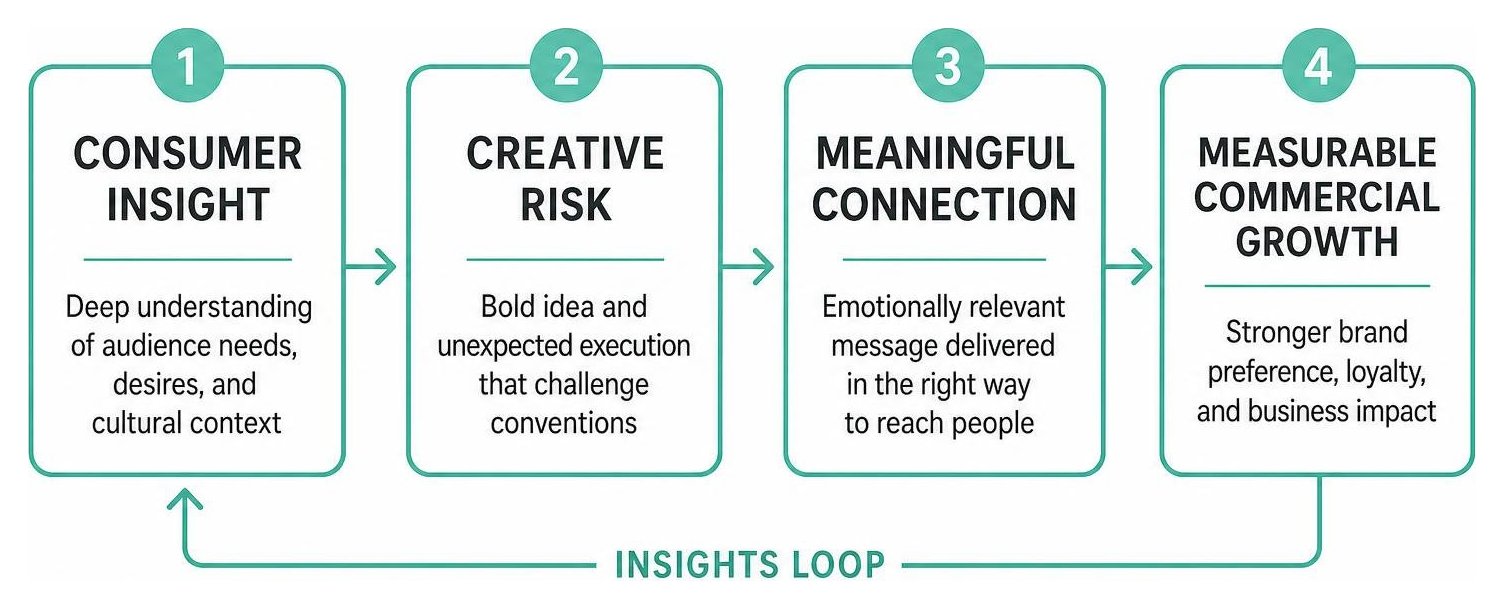
What transforms a standard commercial into an enduring cultural touchstone? Truly iconic campaigns do not just talk about product features. They challenge conventions, stir raw human emotion, and reframe how consumers see the world around them.
When Apple introduced the Macintosh with its famous “1984” commercial during the Super Bowl, it broke every traditional tech marketing rule. Directed by Ridley Scott, the dystopian spot did not display the computer, list processing speeds, or highlight pricing. It aired only once on national television, positioning Apple as a rebellious liberator standing up against institutional conformity. By selling an ideology rather than hardware, Apple cemented an identity that still guides its brand equity decades later.
A few years later, Nike took a similar leap of faith with “Just Do It” in 1988. Rather than obsessing over shoe cushioning, Nike focused on personal determination and the universal inner drive to overcome obstacles. That shift transformed athletic footwear from a niche gym commodity into an everyday lifestyle staple.
Building these landmark moments requires grounding bold creative intuition in a comprehensive guide to the strategic marketing planning process. When creative risks are aligned with disciplined market analysis, the commercial returns can reshape entire industries.
| Historic Campaign | Year Launched | Key Creative Breakthrough | Measurable Commercial Impact |
|---|---|---|---|
| Volkswagen: “Think Small” | 1960 | Turned product size and simplicity into an anti-status-symbol virtue | Redefined post-war US automotive tastes; sustained record compact sales |
| Nike: “Just Do It” | 1988 | Universal emotional motivation over athletic product specs | Grew North American market share from 18% to 43% ($877M to $9.2B by 1998) |
| Dove: “Real Beauty” | 2004 | Replaced airbrushed models with unretouched, authentic women | Nearly doubled global brand sales to $4 Billion USD |
| Metro Trains: “Dumb Ways to Die” | 2012 | Used catchy, animated dark humor to communicate rail safety | Reached iTunes Top 10 in 24 countries within 24 hours of release |
Cultural Phenomenons and Commercial Dominance
For a campaign to achieve historic commercial dominance, it must capture the cultural zeitgeist. Volkswagen’s 1960 “Think Small” campaign stood out against the oversized, chrome-heavy American cars of the post-war era. Using stark black-and-white photography, generous negative space, and honest self-deprecation, the ads turned the Beetle’s compact size into a major selling point.
To achieve this level of resonance, brands must pair their creative vision with a practitioner’s guide to cohesive brand communications strategy. When your core message remains consistent across TV, print, and digital channels, you build lasting brand equity rather than fleeting novelty.
Purpose-Driven Storytelling That Drives Revenue
Purpose-driven advertising only works when it connects directly to a genuine human truth. Dove’s “Real Beauty” campaign, launched in 2004, exposed the harmful effects of unrealistic beauty standards in the cosmetics industry.
Instead of highlighting soap moisturizers, Dove released “Real Beauty Sketches” in 2013, showing women describing themselves to a forensic sketch artist compared to how strangers described them. Produced on a modest budget of $925,000, the videos generated over 200 million views and an estimated $52 million in earned media exposure.
By using disciplined audience segmentation strategies, Dove spoke directly to underserved consumers, driving real commercial growth. Global industry benchmarks from the Effective 100 consistently show that purpose-led campaigns with clear commercial focus earn higher long-term brand equity than purely transactional ads.
Strategic Frameworks Behind Award-Winning Creative Advertising Campaigns
Behind every memorable ad lies a repeatable strategic framework. Creative teams at leading agencies do not wait for random flashes of inspiration. They deconstruct market problems using proven creative techniques:
- Medium Hijacking: Turning an everyday communication channel into an unexpected canvas.
- Weakness Reversal: Owning an obvious product flaw or operational crisis with humor and transparency (such as KFC’s famous “FCK” bucket response to chicken supply shortages).
- Tactile & Sensory Engagement: Using interactive physical installations to make abstract brand promises tangible.
Great creative also relies on smart media placement. Smart brands often turn remnant broadcast airtime into direct response profit to test bold ideas at lower media rates before scaling them into national multi-channel campaigns. As highlighted in global rankings like the Creative 100, the most awarded campaigns combine bold messaging with efficient media distribution.
Low-Budget Genius: Bold Bets in Creative Advertising Campaigns
You do not need a multi-million-dollar Super Bowl budget to capture widespread consumer attention. High-impact creative often thrives within tight budget constraints because limits force sharper, bolder thinking.
Consider Chicago sub shop Mr. Submarine. To celebrate their 50th anniversary, the brand gave their creative team free rein to produce 50 distinct, low-budget, DIY-style commercials without endless corporate revisions. The resulting series went viral locally, proving that authentic local humor cuts through polished digital noise.
Similarly, Selleys Liquid Nails turned a single outdoor placement into an interactive event with their sticky billboard challenge, daring passersby to pull items off the board. If you could unstick an item, you kept it.
To maximize these opportunities, marketing leaders must understand how to effectively manage your ad creatives for maximum ROI, balancing quick experiments with reliable performance drivers.
Modern Breakthroughs: Standout Creative Advertising Campaigns of 2025–2026
Modern campaigns are finding new ways to integrate creator culture, physical environments, and accessibility into their creative strategies.
The World Creative Rankings report on top campaigns shows how the world’s most effective brands are breaking through the noise:
- Vaseline: “Vaseline Verified”: Vaseline partnered with dermatologists and researchers to clinically test viral beauty hacks from social media creators. The brand turned user-generated content into certified product innovations.
- Tecate: “Gulf of Mexico (Bar)”: To settle a playful geographic naming dispute, Tecate constructed a floating bar in the ocean, registered it on navigation maps, and turned a location into a memorable brand experience.
- Chicago Hearing Society: “Caption with Intention”: Instead of flat, monotone subtitles, this campaign introduced expressive, dynamic typography that conveys tone, pitch, and emotion, turning accessibility into an engaging creative asset.
At the same time, tools like generative machine learning are changing how agencies produce work. Understanding the rise of AI in marketing helps growing businesses scale custom creative without losing their personal brand voice.
How Media Formats Shape Advertising Innovation
The medium you choose directly shapes what is creatively possible. A concept designed for digital video rarely works when pasted onto a static highway billboard. High-performing campaigns tailor their creative hooks to the unique strengths of each channel.
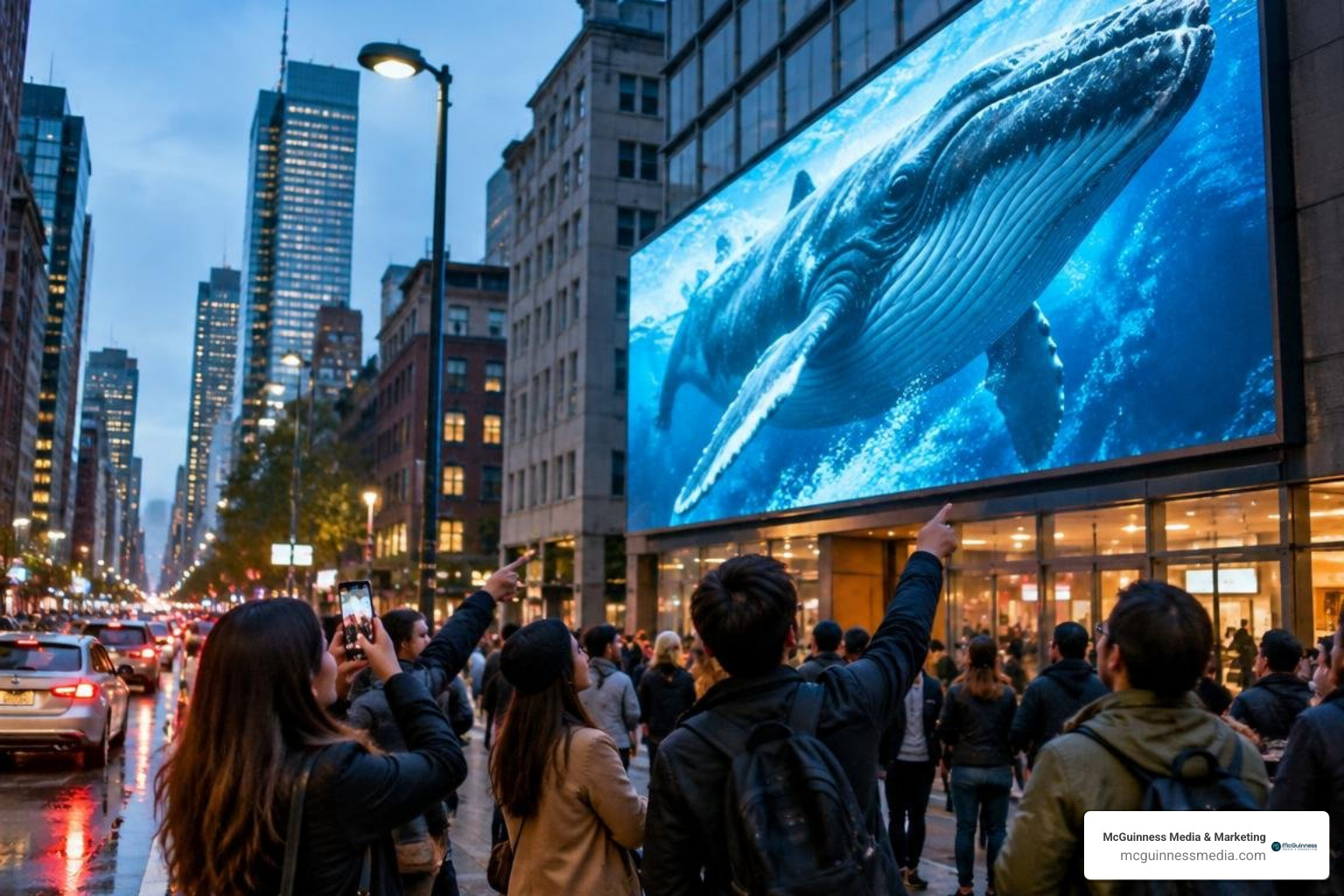
Modern out-of-home (OOH) advertising uses live data triggers, dynamic digital screens, and location targeting to turn passive viewing into active engagement. British Airways illustrated this with their “Magic of Flying” digital billboards, which used real-time flight tracking data to show a child pointing up at the exact plane flying overhead, displaying its flight number and destination in real time.
Navigating these creative formats requires balancing video lengths, production styles, and distribution channels. Evaluating broadcast TV vs cable vs OTT streaming ensures your brand places high-impact creative where your audience is actually watching. Pairing that distribution with an A-Z guide to video and photography helps ensure your visual assets look sharp across social feeds, streaming apps, and traditional broadcast networks.
Experiential Stunts and Community-Led Virality
When you invite your audience to take part in the storytelling, a campaign’s reach grows exponentially through organic social sharing:
- Warner Bros. “Barbie Movie Selfie Generator” (2023): An intuitive AI image filter let millions of fans insert themselves into promotional movie posters, turning everyday social media users into an organic global marketing team.
- Coca-Cola: “Share a Coke” (2011–2014): Replacing the iconic brand logo on bottles with popular first names turned a standard consumer beverage into a personalized gift, driving millions of organic social shares.
- Red Bull: “Stratos Jump” (2012): Sponsoring Felix Baumgartner’s record-breaking freefall from the stratosphere turned an extreme sports event into a worldwide broadcast that reinforced Red Bull’s brand motto.
For modern retail and e-commerce companies, pairing these creative ideas with a modern DTC media buying guide helps convert viral social engagement into sustainable, long-term customer acquisition.
Audio and Ambient Disruption
Audio and out-of-home environments offer unique opportunities to catch consumers when their visual attention is focused elsewhere:
- Skinny Mobile: “Ads in My Phone Call”: The New Zealand carrier turned ordinary telephone calls into ad placements by playing quirky audio recordings during dialing pauses, lowering customer phone bills while spreading word-of-mouth buzz.
- Subway Ambient Takeovers: Brands like Wet Ones turned subway handrails and transit grip handles into interactive ad surfaces, surprising commuters during their daily routines.
Reviewing beyond the jingle radio campaign insights shows how strong sonic branding, spatial audio, and smart voice copy can build strong emotional connections without relying on high-cost visual effects.
Frequently Asked Questions About Creative Advertising Campaigns
What makes an advertising campaign iconic instead of just viral?
A viral ad generates a quick spike in views that usually fades within days. An iconic campaign taps into a universal human truth, shifts consumer perception, and drives sustained market share over years or decades. Viral ads entertain for a moment; iconic campaigns weave themselves into popular culture and permanently alter brand equity.
How do brands balance social purpose with commercial ROI?
Purpose-led advertising must align naturally with your company’s core values and product utility. If a social cause feels bolted on just to ride a trending topic, audiences quickly spot the insincerity. The most effective campaigns, such as Dove’s “Real Beauty,” tie their social message directly to product relevance, using authentic storytelling to earn genuine consumer trust that translates into long-term revenue growth.
Can small businesses execute high-impact creative campaigns on a modest budget?
Yes. High-impact creative relies on clear audience insights, sharp local relevance, and unexpected creative hooks, not just large production budgets. Small businesses can outperform competitors by moving quickly, testing bold ideas on social and out-of-home channels, and taking smart creative risks that larger corporate brands are often too cautious to try.
Conclusion
The most iconic creative advertising campaigns across history prove that sustainable business growth comes from bold ideas, emotional resonance, and disciplined execution. Whether you are running a single local billboard stunt or orchestrating an integrated, multi-channel national launch, lasting impact requires connecting creative courage with precise media distribution.
At McGuinness Media & Marketing, we help growing brands turn bold ideas into measurable market expansion. As Rhode Island’s leading creative services and media agency, our team combines strategic planning, distinctive creative production, and data-driven media buying to help your business stand out from the competition.
Ready to launch a memorable ad campaign that drives measurable business growth? Partner with us for custom media planning and buying services built around your specific brand goals.