Stop Wasting Ad Spend and Negotiate Better Radio Rates
How to Start Radio Media Buying Without Overpaying
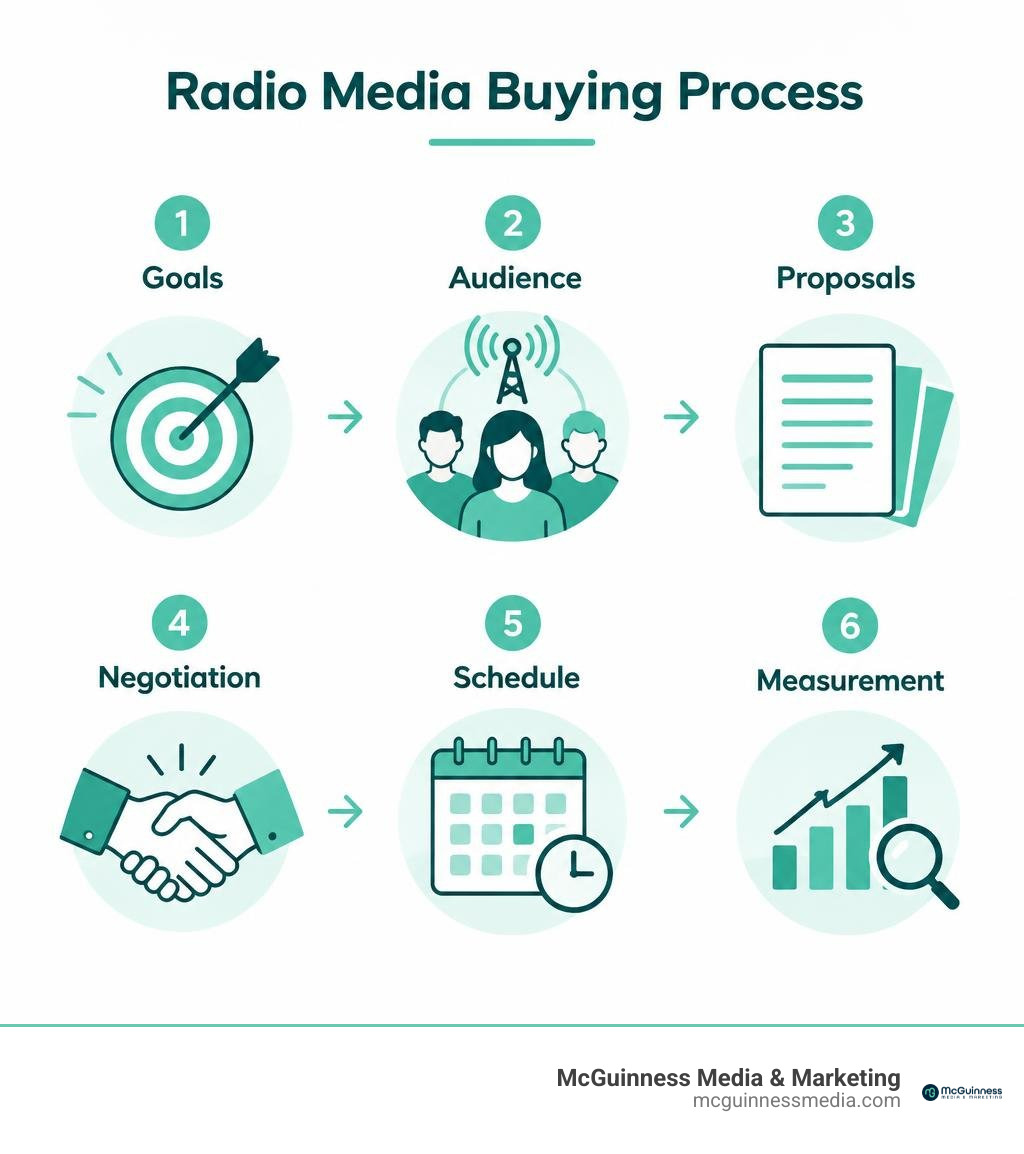
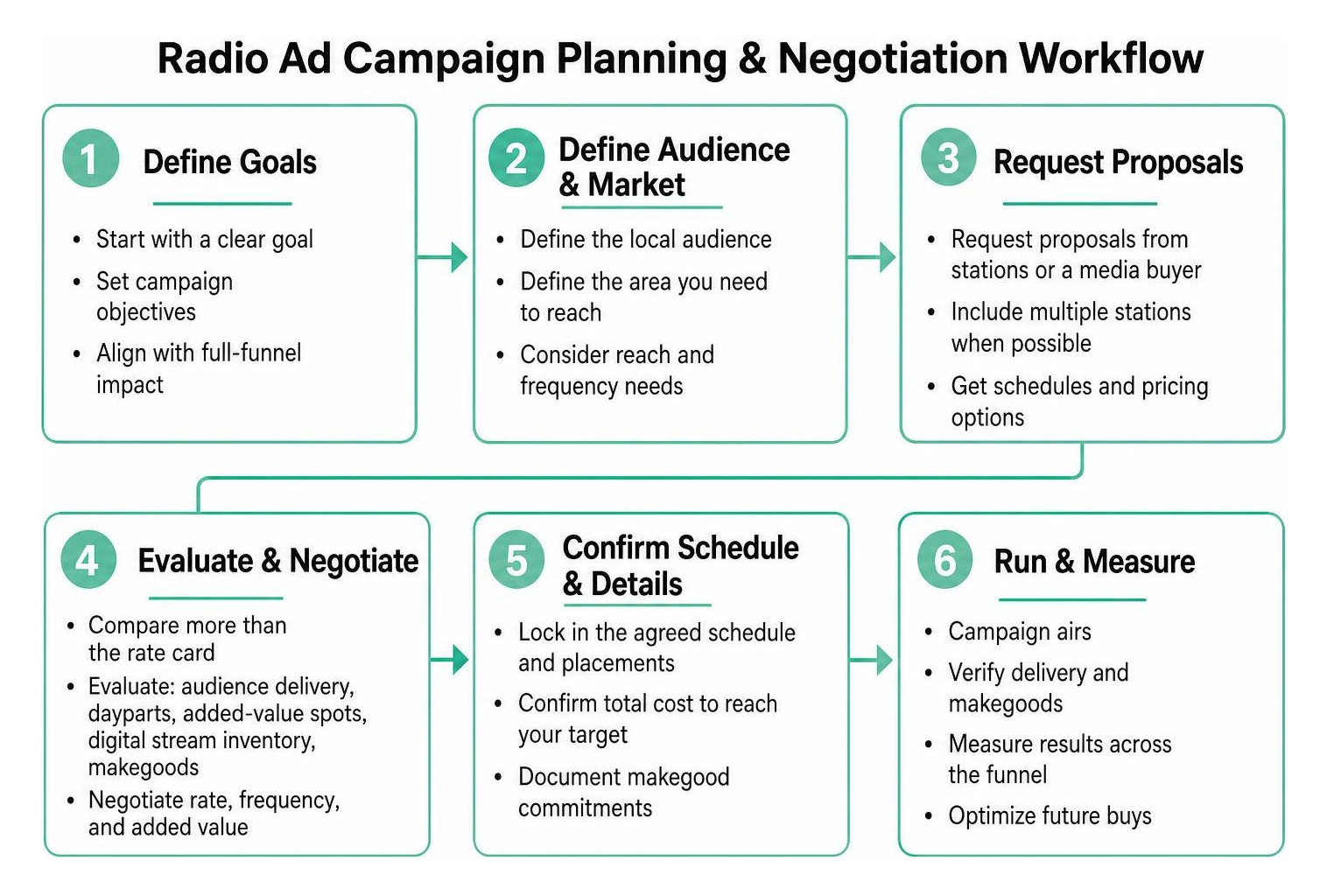
To buy radio ads well, start with a clear goal, define the local audience and area you need to reach, then request proposals from stations or a media buyer before committing to a schedule. Compare more than the rate card: ask about audience delivery, dayparts, added-value spots, digital stream inventory, makegoods, and the total cost to reach your target.
A smart radio buy is not simply buying the cheapest spot. It is negotiating enough frequency in the right programming and time slots to make your message memorable. Broadcast radio still reaches 93% of U.S. adults 18+, making it a practical way for local businesses to build reach quickly while supporting search, social, promotions, and in-store traffic.
Radio can also move people through the funnel. Research across brand studies found lifts in awareness, consideration, purchase intent, and actions taken. And because 85% of consumers say radio is the last medium they hear before shopping, a well-timed offer can serve as a useful last-minute reminder.
I am Megan McGuinness, owner and chief marketing officer of McGuinness Media & Marketing, with more than 20 years of experience building media strategies for regional, national, and global brands. My work in radio media buying focuses on connecting sound planning, strong creative, and disciplined negotiation so every advertising dollar has a job to do.
Similar topics to radio media buying:
The Fundamentals of Radio Media Buying and Rate Negotiation
Buying radio inventory effectively requires a solid grasp of how airtime is priced, structured, and evaluated. Unlike automated digital platforms where you bid purely on real-time auctions, broadcast radio blends audience data with old-fashioned human negotiation.
When planning campaigns, we look at foundational metrics:
- Cost Per Point (CPP): The cost of delivering a single rating point (1% of the target demographic in a given market).
- Gross Rating Points (GRPs): The total sum of rating points achieved across a schedule, reflecting both total reach and ad frequency.
- Cost Per Thousand (CPM): The cost required to deliver 1,000 listener impressions.
Station account executives typically hand prospective advertisers a “rate card.” However, printed rate cards are starting baselines, not fixed prices. Radio inventory is perishable—once a minute passes without an ad, the station can never monetize that airtime again. Because of this inventory dynamic, prices fluctuate based on inventory supply, seasonal demand, station ratings, and daypart popularity.
To master rate negotiation, buyers must balance mathematical analytics with tactical leverage. Using a numbers vs. negotiation field guide helps you analyze ratings reports, challenge inflated station estimates, negotiate bonus placements (“no-charge” inventory), and secure firm makegood guarantees if ratings fall short.
Beyond raw numbers, the foundation of radio’s pricing strength lies in connection. AM and FM radio rank consistently as the most trusted advertising medium among consumers. Listeners build strong daily relationships with on-air hosts, giving audio endorsements and spot schedules an inherent layer of local credibility.
The Full-Funnel Impact of Broadcast Audio
Many marketers mistakenly categorize broadcast audio solely as a top-of-funnel brand awareness tool. In reality, modern effective radio advertising acts as a high-performing full-funnel driver.
Comprehensive research across more than 500 brand studies demonstrates that broadcast radio delivers measurable impact at every stage of the consumer journey:
- Message Awareness: Generates a 38% lift in core message recall.
- Brand Consideration: Yields a 14% lift in consumer brand evaluation.
- Intent to Purchase: Delivers a 13% lift in direct purchase intent.
- Bottom-Funnel Actions: Drives a massive 69% lift in total actions taken (such as online searches, direct site visits, phone inquiries, and retail visits).
Because 85% of consumers report hearing radio as the final medium before making a purchase, timed placements during prime retail commute windows serve as an unbeatable point-of-purchase nudge that turns top-of-mind awareness into immediate transactions.
Why Radio Reaches Beyond the Primary Demographic
Hyper-targeted digital ads can sometimes narrow your audience too much, causing you to miss key buying influencers. In real-world commerce, purchases rarely occur in a demographic vacuum. In fact, 82% of consumers are actively influenced by friends, family, and coworkers when making buying choices.
Broadcast radio provides broad, market-wide reach that covers secondary and co-decision makers who often drive actual cash flow:
- Quick-Service Restaurants (QSR): 70% of transactions come from buyers outside the primary demographic.
- Grocery Retail: 75% of purchases stem from outside the primary target profile.
- Beauty & Personal Care: 83% of sales originate outside the narrow core target.
- Beer & Beverage: 87% of sales come from outside the primary audience.
By implementing local radio advertising solutions, local and regional businesses ensure they capture the active buyer as well as the spouses, peers, and household members influencing the final checkout decision.
Strategic Execution: How to Plan and Negotiate Local Audio Buys

Executing an effective radio buy requires choosing the right dayparts. Radio airtime is divided into five distinct operational dayparts:
- Morning Drive (6:00 AM – 10:00 AM): High reach, peak commuter attention, and premium pricing.
- Midday (10:00 AM – 3:00 AM): Highly cost-efficient, steady listenership at work, retail, and home.
- Afternoon Drive (3:00 PM – 7:00 PM): High engagement, peak shopping transit, strong secondary rate point.
- Evenings (7:00 PM – Midnight): Lower reach, budget-friendly rates for specialty music formats.
- Overnight / Weekends (Midnight – 6:00 AM / Sat-Sun): Weekend midday offers strong retail reach; overnights provide low-cost frequency padding.
When negotiating schedules, avoid overpaying by refusing to buy exclusively during morning drive. Skilled buyers use Run-of-Station (ROS) or Best-Time-Available (BTA) rotations paired with specific daypart guarantees (TAP – Total Audience Plans) to balance prime-time reach with affordable frequency across midday and weekend windows.
Step-by-Step Media Planning for Maximum Frequency
Radio relies heavily on repetition. A single exposure rarely drives action; an audience member generally needs to hear a message three or more times within a single buying cycle (the “three-plus frequency rule”) for the ad to stick.
- Establish Effective Reach vs. Frequency: Decide whether you need broad reach (e.g., launching an awareness campaign) or high frequency (e.g., driving a weekend retail sale).
- Determine Campaign Flighting: Use flighting (running ads for 2–3 weeks, pulsing off, and returning) to sustain high frequency on a limited budget rather than spreading dollars too thin across an uninterrupted year-long buy.
- Analyze Target Ratings and Station Overlap: Evaluate station formats (e.g., Adult Contemporary, Country, News/Talk, Sports) to minimize wasted demographic overlap.
- Demand Makegoods and Schedule Verification: Always require post-buy analysis to confirm all spots ran during their contracted time windows with zero clipping.
For businesses looking to build a sound buying strategy, consulting our media buying strategy blueprint or partnering with a team providing end-to-end media buying services ensures schedules are negotiated and placed for maximum ROI.
Creative Audio Production and Sound Branding
Strategic airtime negotiation falls flat without persuasive, well-crafted creative. Audio scripts must capture attention within the opening three seconds and paint a clear, memorable picture in the listener’s mind.
- Script Architecture: Focus on one clear message. Trying to pack three offers, two phone numbers, and a lengthy website into a 30-second spot confuses listeners.
- Sonic Branding & Jingles: Incorporate consistent voice talent, memorable sound signatures, or musical hooks to boost brand recall.
- Clear Call-to-Action (CTA): Give listeners a simple, easy-to-remember next step, like visiting a streamlined vanity URL or searching a specific phrase.
For local campaigns, creative can be tailored further. By reviewing best practices for creating high-converting radio spots or deploying in-store audio ad tactics, brands can ensure their audio creative consistently drives action.
Modernizing Audio: Programmatic vs. Direct Buying
The audio landscape has evolved far beyond standalone analog broadcast towers. In September 2026, programmatic audio is an indispensable part of mainstream media buying. Digital audio ad spend is on track for $2.6 billion in 2026, with 82% of marketers and media agencies actively buying programmatic audio (up from 65% in 2025 and 41% four years ago).
Programmatic radio media buying refers to the automated, data-driven buying and selling of digital audio inventory—including station live streams, digital simulcasts, and on-demand audio. While over-the-air (OTA) analog signals are bought via direct human negotiation, streaming inventory moves seamlessly through Demand-Side Platforms (DSPs), Supply-Side Platforms (SSPs), and ad exchanges in real-time auctions that resolve in milliseconds.
Modernizing Your Audio Mix with Programmatic Radio Media Buying
Programmatic buying gives advertisers precise audience targeting, letting you serve audio ads based on zip codes, device types, consumer purchase intent, and real-time weather triggers.
To control pricing and ensure premium placement, media buyers rely on four core deal structures:
| Deal Type | Auction Type | Rate Pricing | Volume Guarantee | Buyer Placement Control |
|---|---|---|---|---|
| Open Auction | Open Real-Time Bidding | Dynamic market rates | No | Low (wide remnant pool) |
| Private Marketplace (PMP) | Invite-only auction | Set Price Floor | No | High (station-specific whitelist) |
| Preferred Deals | Direct negotiation | Fixed CPM | No (First-look option) | High (curated streams) |
| Programmatic Guaranteed | Direct 1-to-1 automated | Fixed CPM | Yes (100% reserved) | Highest (guaranteed delivery) |
Relying solely on open auctions can expose advertisers to remnant inventory and inconsistent brand placement. To protect campaign quality, buyers set strict price floors and establish Private Marketplaces (PMPs). For a deep dive into technical setup and rate controls, explore this programmatic radio primer and rate mechanics guide.
Direct vs. Programmatic: Building a Balanced Hybrid Model
Savvy media buyers do not view direct over-the-air buying and programmatic digital audio as opposing strategies. The strongest campaigns combine both into an integrated, balanced media mix:
By securing direct buys for high-impact morning and afternoon broadcast slots, advertisers lock in massive market reach and on-air host trust. Then, by layering programmatic digital audio over the top, you retarget high-intent listeners across station streaming apps, smart speakers, and connected devices.
Understanding how media buying agencies maximize spend while keeping pace with evolving audio consumption trends helps ensure your business extracts maximum value from every dollar across broadcast and digital channels.
Cross-Channel Synergy: Amplifying Digital Campaigns with Radio
Audio advertising does not exist on an island—it acts as a force multiplier for your entire digital marketing ecosystem.
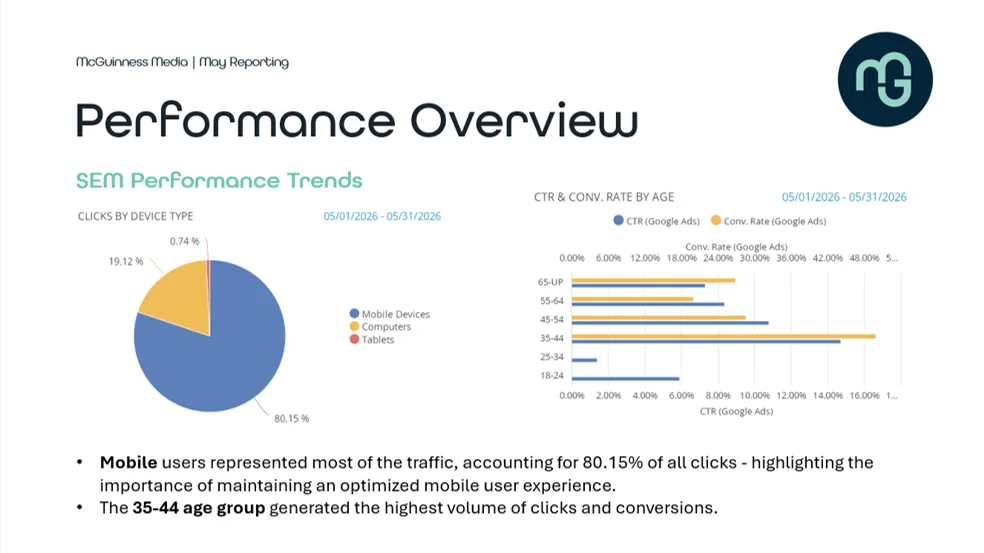
When consumers hear a message on the radio, their likelihood of engaging with subsequent digital touchpoints jumps significantly. Industry research shows that social media campaigns experience an 83% performance uplift when target audiences are exposed to a brand’s audio messaging prior to seeing the social ad.
Radio builds subconscious familiarization, so when a user later sees your Google search ad, display banner, or Facebook sponsored post, click-through and conversion rates rise.
Furthermore, local radio brings community-level trust that purely digital campaigns often lack. For organizations evaluating local media dynamics—such as this regional broadcast media analysis—combining broadcast audio with targeted digital campaigns delivers both wide reach and measurable digital conversions.
Frequently Asked Questions About Radio Advertising
How quickly can a local business launch a radio campaign?
Unlike digital ad networks that often require weeks of algorithmic learning phases to optimize audience targeting, broadcast radio campaigns can go live in as little as 24 to 48 hours. Once a script is recorded and approved, station traffic departments can immediately drop the commercial into the broadcast schedule. This speed makes radio ideal for emergency announcements, limited-time inventory clearances, flash promotions, and rapid event rollouts.
What are the common pitfalls in programmatic radio execution?
The most common mistake advertisers make in programmatic radio is treating it like remnant banner advertising. Dumping budget into open auctions without setting price floors or whitelists often results in low-quality inventory on low-engagement streams. Other common missteps include using dry, text-heavy copy that fails to engage listeners, neglecting daypart filters for time-sensitive promotions, and failing to coordinate frequency caps across direct broadcast and programmatic streaming channels.
How Small Businesses Can Start Radio Media Buying on a Budget
Small and mid-sized businesses do not need massive budgets to run effective radio campaigns. To get started efficiently:
- Focus on Niche Dayparts: Buy high-frequency packages during midday (10:00 AM – 3:00 PM) or weekend slots, which often cost a fraction of prime morning drive rates while still reaching active shoppers.
- Target Specific Formats: Select one or two format-specific stations (such as local news or specific music genres) that closely align with your ideal demographic, rather than spreading your spend thinly across every station in town.
- Leverage Streaming Simulcasts: Buy localized digital audio streaming packages, targeting listeners by specific zip codes to keep out-of-pocket costs low while testing creative concepts.
Conclusion: Maximizing Every Dollar with Strategic Media Planning
Radio remains one of the most cost-efficient, high-reach, and trustworthy advertising channels available. By moving past standard rate cards, using data-driven negotiation strategies, and pairing broadcast reach with programmatic digital audio, brands can expand their market presence without wasting valuable ad spend.
At McGuinness Media & Marketing, our team pairs creative storytelling with data-driven media buying. Based in Warwick, Rhode Island, we help local, regional, and national brands navigate broadcast, digital audio, and omnichannel campaigns to make sure every dollar works as hard as possible.
Ready to get the most out of your advertising budget? Connect with our team today to explore our comprehensive media planning services and build a media plan that drives real business growth.